91- 6303239042
 CAT WhatsApp Group


 Preferred Source

 Google Discover

How Chandra Prakash, Srijan, and Rishikesh Scored 99+ Percentile in CAT
Three different backgrounds. Three different preparation journeys. One common outcome: 99+ percentile in CAT.
Every year, thousands of CAT aspirants search for the perfect preparation strategy. Some believe success depends on studying 12 hours a day, while others think coaching alone guarantees a high percentile.
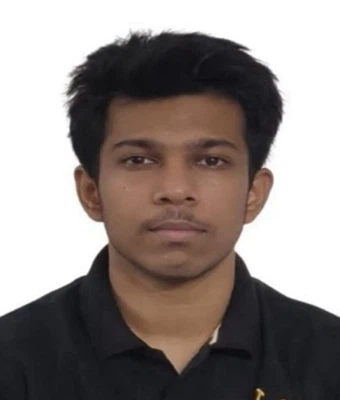
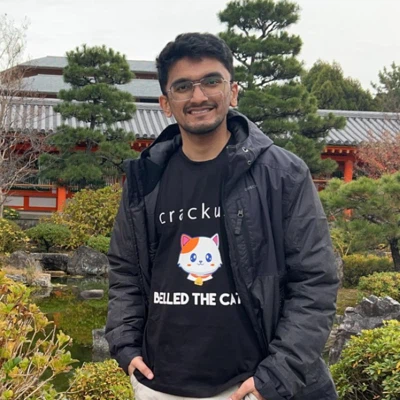
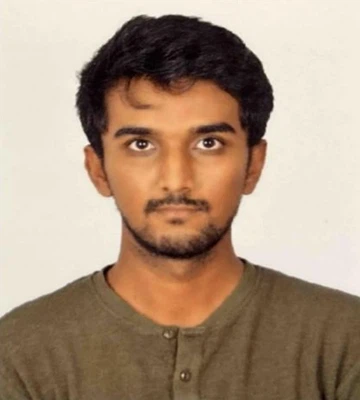
The journeys of Chandra Prakash (99.97%ile), Srijan (99.97%ile), and Rishikesh Bhattacharya (99.58%ile) tell a different story. Their preparation wasn't built around shortcuts. It was built on consistency, smart mock analysis, strategic improvements, and learning from mistakes.
This article goes beyond their scores and explains exactly what they changed, how they prepared, and what every CAT aspirant can learn from their success.
| Topper | CAT Percentile | Attempt | Background | Biggest Learning |
|---|---|---|---|---|
| Chandra Prakash | 99.97 | Second | B.Sc Graduate | Mock analysis and VARC improvement |
| Srijan | 99.97 | Second | IIT Roorkee Graduate | Consistency despite full-time job |
| Rishikesh Bhattacharya | 99.58 | First | Bosch Engineer | Reading habit and question selection |
What Changed Between Their First and Second CAT Attempts?
Many CAT aspirants think that scoring a 99+ percentile means learning lots of new concepts or studying for longer hours. But Chandra Prakash and Srijan's journey shows that the real difference came from changing their strategy, not increasing their study time.
In his first CAT attempt, Chandra scored around the 90 percentile. He was already confident in Quant, but VARC was a challenge. He attempted fewer questions and often lost confidence after making mistakes during the exam.
For his second attempt, instead of starting from scratch, he focused on improving the areas that were holding him back. He made a few simple but important changes that completely transformed his performance.
Here's what he changed:
- Attempted more questions in VARC instead of playing it too safe.
- Focused on maintaining accuracy while increasing attempts.
- Used every extra minute in DILR to solve one more set whenever possible.
- Spent more time analyzing mock test mistakes rather than just checking the correct answers.
The Mock Test Strategies That Helped Them Score 99+ Percentile
One thing was common among all three toppers. They never looked at mock tests as just a way to check their scores. Instead, they used every mock to understand what they needed to improve.
After each mock, they didn't ask, "How many marks did I get?" They asked, "Why did I lose these marks?" This simple habit helped them improve with every test.
How They Analyzed Their Mock Tests
| What They Did | Why It Helped |
|---|---|
| Compared their answers with the solutions | Helped them understand the paper better. |
| Checked every mistake | Found out whether it was a concept mistake or a silly error. |
| Reviewed skipped questions | Learned which questions they could have solved. |
| Noted repeated mistakes | Made sure they didn't repeat the same errors. |
Rishikesh shared that many questions looked difficult while writing the mock, but during analysis, they felt much easier. This helped him realize that his main problem was time management, not a lack of concepts.
Chandra Prakash also believed that every mock should teach you something new. Instead of getting upset after a low score, he focused on understanding his mistakes and improving before the next mock.
Mock Scores Fluctuate Even for 99+ Percentilers
One of the most reassuring insights from these toppers is that poor mock scores are completely normal.
| Topper | Lowest Mock Score | Highest Mock Score |
|---|---|---|
| Chandra Prakash | Around 31 marks | Around 95-96 before CAT |
| Rishikesh | Around 45 marks | Around 90 marks |
| Srijan | Wide range from 80 to 210 | 210 |
Instead of panicking after every low score, they focused on improving one weakness before attempting the next mock.
This is a mindset every CAT aspirant should adopt.
How Each Topper Prepared for VARC, DILR, and Quant
Every topper had a different CAT preparation strategy based on their strengths and weaknesses. Instead of following the same study plan, they focused on improving the areas where they needed the most improvement.
Section-wise Preparation Strategy
| Section | Chandra Prakash | Rishikesh | Srijan |
|---|---|---|---|
| VARC | Increased attempts and improved reading comprehension | Built a daily reading habit | Practiced regularly to improve accuracy |
| DILR | Solved hundreds of LRDI sets | Focused on choosing the right puzzle first | Practiced a wide variety of sets |
| Quant | Reduced calculation mistakes | Selected questions wisely | Focused on accuracy instead of attempting too many questions |
VARC Preparation
For both Chandra and Rishikesh, reading regularly played a big role in improving their VARC scores.
Rishikesh made it a habit to read newspapers, editorials, and long-form articles every day. This helped him improve his reading speed and understand passages more easily during the exam.
Chandra followed a slightly different approach. After reading an article, he would write a short summary to understand the author's main idea and opinion. Over time, this became much easier, and it helped him solve CAT Reading Comprehension questions with greater confidence.
DILR Preparation
When it came to DILR, none of the toppers relied on shortcuts or memorizing puzzle types.
Instead, they solved a large number of different LRDI sets to get familiar with various question patterns. This regular practice helped them quickly identify which sets were worth attempting during the CAT exam.
Quant Preparation
For Quant, the focus was not on learning new concepts every day.
Instead, the toppers worked on avoiding silly mistakes and choosing the right questions. They found that many marks were lost because of calculation errors or poor question selection, not because they didn't know the concepts.
How They Overcame Low Mock Scores and Stayed Motivated
Low mock scores are part of every CAT aspirant's journey. Even these 99+ percentile toppers had days when their scores were much lower than expected. The difference was that they didn't let one bad mock affect their confidence.
- Chandra Prakash didn't rush into the next mock after a poor score. He first analyzed his mistakes, took a short break, and then came back with a fresh mindset.
- Srijan believes that one mock score doesn't define your CAT preparation. Instead of getting discouraged, he focused on learning from every test.
- Rishikesh accepted that mock scores naturally go up and down. Rather than worrying about fluctuations, he stayed consistent and trusted his preparation.
Exam Day Strategies That Worked for These CAT Toppers
Scoring well in CAT is not just about preparation. It is also about making the right decisions during the exam. These toppers stayed calm, trusted their preparation, and avoided unnecessary risks.
| Strategy | Why It Helped |
|---|---|
| Started the exam with confidence | Helped them stay calm and focused. |
| Chose questions carefully | Improved accuracy and saved time. |
| Didn't try to solve every question | Allowed them to focus on questions they could solve confidently. |
| Stayed composed even after a difficult section | Prevented panic and helped them perform well in the remaining sections. |
One unique strategy followed by Chandra Prakash was saving two previous CAT papers that he had never attempted. He solved them just before the actual CAT exam and scored well in both. This gave him the confidence that his preparation was on the right track before exam day.
How Working Professionals Can Crack CAT Alongside a Full-Time Job
Many students believe that working professionals are at a disadvantage in CAT preparation because they have less time to study. However, Srijan and Rishikesh proved that a well-planned routine can be just as effective as long study hours.
Instead of trying to study for endless hours, they made the most of the time they had. They followed a consistent schedule and used every opportunity to improve their preparation.
| Strategy | How It Helped |
|---|---|
| Took mock tests after office hours | Helped them practice under exam-like conditions. |
| Analyzed every mock immediately | Identified mistakes and improved for the next test. |
| Used weekends for revision | Strengthened weak areas and tracked weekly progress. |
| Read articles during free time | Improved reading speed and comprehension for VARC. |
| Listened to podcasts while commuting | Made productive use of travel time. |
| Reduced social media and other distractions | Created more time for focused preparation. |
How Cracku's Resources helped them to crack CAT
All three toppers believed that mock tests were useful only when followed by proper analysis. They used every mock to understand their mistakes and improve their strategy for the next test.
They also found Cracku's mock tests to be close to the actual CAT exam, which helped them get comfortable with the exam pattern and improve their confidence.
| Cracku Resource | How It Helped |
|---|---|
| CAT Mock Tests | Practiced in an exam-like environment and improved time management. |
| CAT Sectional Tests | Strengthened weak areas in VARC, DILR, and Quant. (Mentioned as part of their preparation approach, not explicitly named in the transcript.) |
| CAT Study Material | Helped revise concepts and practice important CAT questions. (Rishikesh specifically mentioned using Cracku's study material.) |
| CAT Previous Year Papers | Helped understand the actual exam pattern and build confidence before CAT. (Chandra also solved untouched previous CAT papers during the final phase of preparation.) |