91- 6303239042
 CAT WhatsApp Group



 Preferred Source

 Google Discover

Three CAT 2025 toppers - a physicist, an aerospace engineer, and a software developer - reveal the exact strategies, tools, and mindset shifts that took them from average mock scores to 99+ percentile.
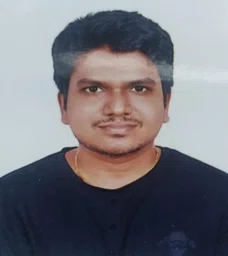
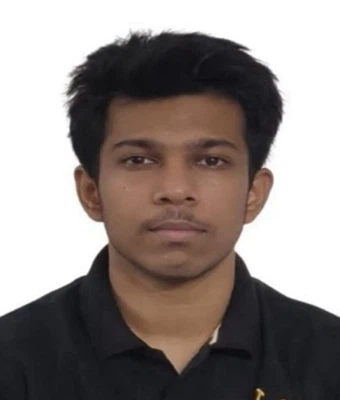
Meet the CAT 2025 Toppers
These three students come from very different backgrounds - but they all used structured practice, smart mock analysis, and strong mental discipline to reach the top.
Name | Background | CAT 2025 Score | Goal |
Ritwik | BS-MS Physics, IISER Kolkata | 99.6 percentile | Startup with applied physics |
Ishani Basak | Mechanical & Aerospace Engineering, University of Notre Dame | 99.63 percentile | Business perspective from MBA |
Mukesh | CSE, IIIT; 3 years at startup Toddle | 98.86 percentile (2nd attempt) | Start his own business |
What Did Their Daily CAT Preparation Look Like?
One of the most common CAT Preparation questions is: how many hours should I study per day? The answer depends on your situation.
Ritwik was preparing full time, which gave him more flexibility. He started in late August but wasn't consistent until late September. His key focus areas shifted week by week - first VARC, then Quant speed, then DILR.
Ishani worked full-time at Exide while preparing. She left home at 8 AM and returned by 7:30 - 8 PM, leaving only evenings for study. She relied heavily on weekend sectional tests to cover ground.
Mukesh helped run his father's business in the mornings and studied from 8 PM to midnight. His CAT 2024 attempt had failed due to poor DILR performance and insufficient mock practice.
Topper | Work Status | Study Time | Key Focus |
Ritwik | Not Working | Flexible | Mock analysis & Quant speed |
Ishani | Full-time job | Evenings + Weekends | Quant sectionals + DILR sets |
Mukesh | Family business | 8 PM - Midnight | All-round consistency |
Section-Wise CAT Preparation Strategy That Actually Worked
VARC (Verbal Ability & Reading Comprehension)
Ritwik focused on VARC first because developing the habit of reading CAT Daily Articles, helps in getting into the rhythm of understanding passages takes time. He recommends building reading habit in VARC preparation well before the exam.
Ishani found VARC her strongest section and didn't need much extra work. If reading comes naturally to you, maintain the habit rather than letting it slip during Quant-heavy weeks.
Quants (Quantitative Aptitude)
Both Ritwik and Ishani struggled with speed in Quant, not concepts.
Ritwik's turning point: he identified a micro-pattern - if he couldn't solve a Quant question within the first five minutes, his entire section fell apart. Recognizing that one pattern helped him jump from 75 to 95 in mocks in final weeks.
Ishani's strategy: stop forcing yourself to solve every question. Cracku's CAT Sectionals taught her to identify within 30 - 60 seconds whether a question was worth attempting.
DILR (Data Interpretation & Logical Reasoning)
DILR was the toughest section for both Ishani and Mukesh.
Ishani's unconventional hack? Solving Sudoku puzzles. It trained her brain to recognize patterns faster - a critical skill for DILR set selection.
Mukesh's 2024 mistake was skipping DILR topics like Charts and Games & Tournaments. CAT 2024 was heavy on both. His advice: cover every topic, especially the ones that feel uncomfortable.
How Cracku Helped These Toppers Prepare
All three toppers credited Cracku specifically - here's a breakdown of what helped each of them:
Feature | How It Helped |
CAT Mock Tests (DashCats) | CAT 2025 felt familiar - no shock factor on exam day |
Mock Analysis Tool | Helped Ritwik spot micro-patterns in his performance |
DILR & Quant Sectionals | Ishani's primary tool for weekend practice |
Ensured all three sections were touched every day | |
Revision videos | Helped Ritwik quickly revise concepts and learn shortcuts |
Flexible schedule | Allowed customization based on individual weak areas |
Lowest Mock Scores: Even Toppers Struggle
This is perhaps the most reassuring part of their journey. Even the ones who score above 99 in CAT struggle (at least during some phase) in their preparation.
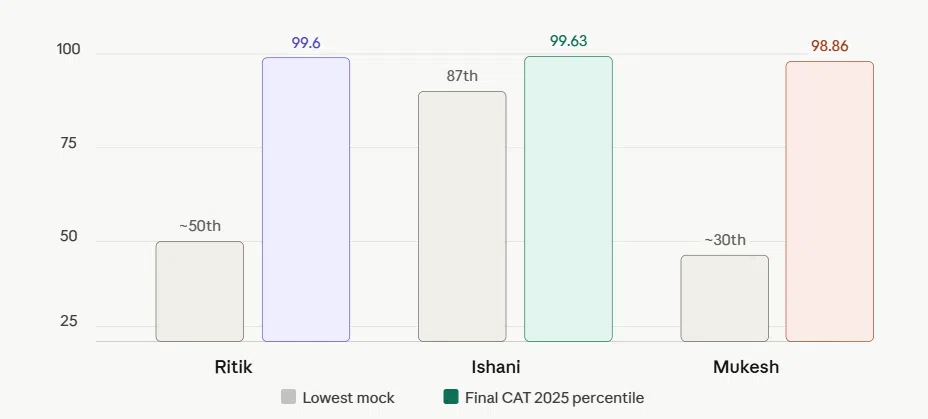
Ishani's message is especially powerful: "If anyone feels demotivated by mock scores, they really shouldn't. Success depends on preparation, confidence, and how you perform on exam day."
Ritwik's low point came in late October. He scored just 10 marks in Quant. His recovery? Going back to basics and revision videos before returning stronger.
Common Mistakes to Avoid in CAT Preparation
Mukesh failed CAT 2024 and improved dramatically in 2025. Here's exactly what he changed:
Mistake in CAT 2024 | What Changed in CAT 2025 |
Studied only one section for days at a time | Practiced all three sections every single day |
Too few full-length mocks | Increased mock frequency significantly |
Skipped charts and games & tournaments in DILR | Covered all DILR topics without exception |
Panicked on exam day | Built exam temperament through more mock practice |
The core lesson: CAT rewards consistency, not cramming. Neglecting even one section for two weeks will cost you in the actual exam.
CAT 2025 Mindset: Tips From the Toppers
Beyond strategy, all three toppers spoke about the mental game.
Don't fear CAT. Ritwik met someone who believed CAT was harder than UPSC. His response: "CAT isn't impossible. It's a competitive exam meant to help you get into a good MBA program. Don't be overly harsh on yourself."
Focus on process, not outcome. Mukesh's final advice: "Many people focus too much on the result. Even during the exam, thoughts like 'Am I doing well?' keep running in their minds - and that ruins the attempt. Focus on your effort and process."
Confidence on exam day matters more than mock scores. Ishani never crossed 87 percentile in any mock - yet scored 99.63 on exam day. Her preparation had built mental readiness, even when the numbers didn't show it yet.
Key Takeaways for CAT 2026 Aspirants
- Start VARC early - reading fluency takes time to build
- Identify your micro-patterns through detailed mock analysis
- Practice all three sections daily, not in week-long blocks
- Learn to skip questions strategically - attempting everything is not the goal
- Don't judge your preparation by your lowest mock score
- Take enough full-length mocks to build exam temperament
CAT is a test of consistency and strategy as much as knowledge. These three toppers prove that diverse backgrounds, different preparation timelines, and even previous failures are no barrier to a top percentile - as long as you keep refining your approach.