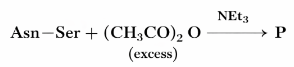
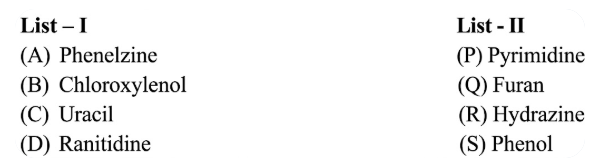
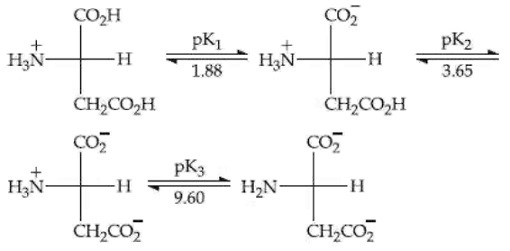
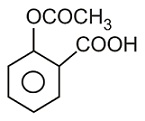
Join WhatsApp Icon JEE WhatsApp Group

JEE Biomolecules Questions

Question 1

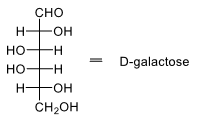
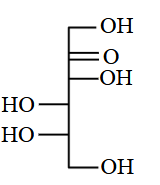
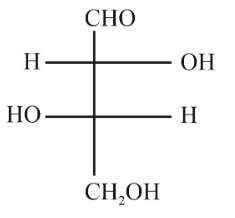
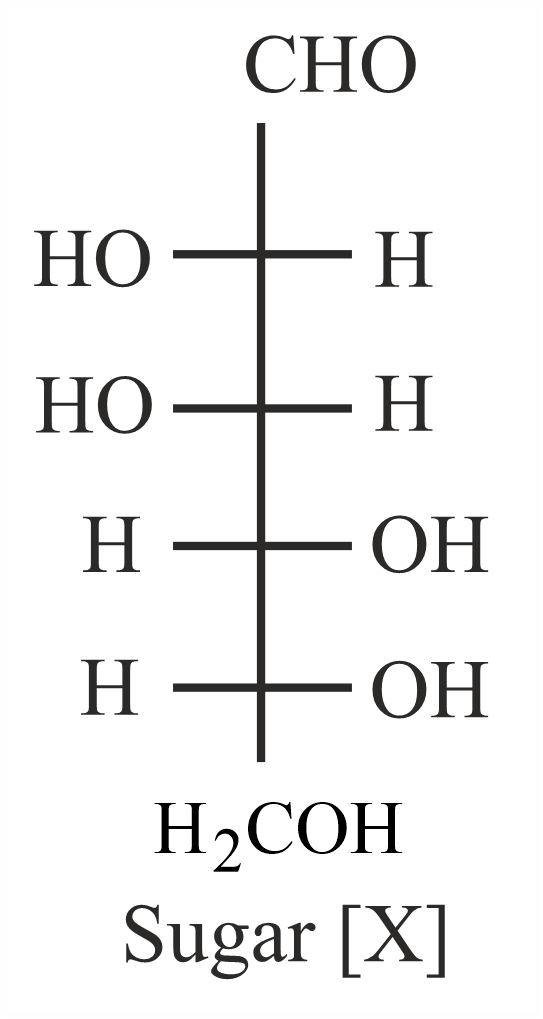
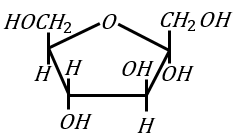
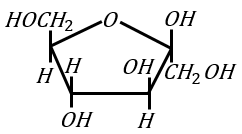
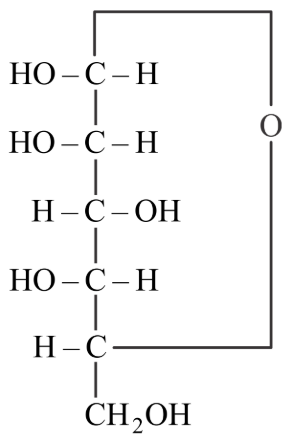
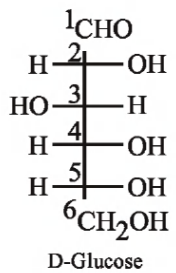
A known artificial sweetener X is composed of 4-chloro-4-deoxy-$$\alpha$$-D-galactose and 1,6-dichloro-1,6-dideoxy-$$\beta$$-D-fructose joined by a glycosidic linkage. Structure of D-galactose is given below (Fischer projection):

image

The correct structure of X is

Question 2

The correct statement(s) regarding sugars is(are)

Given: Specific rotations of L-($$-$$)-glucose and L-(+)-fructose are $$-52.5^\circ$$ and $$+92.5^\circ$$, respectively.

Question 3

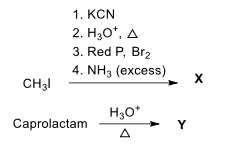
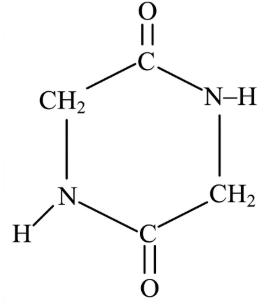
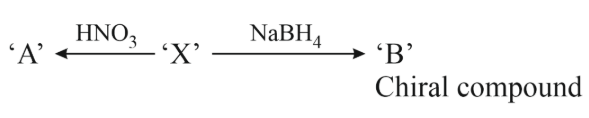
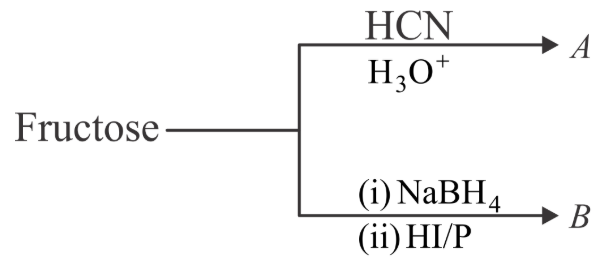
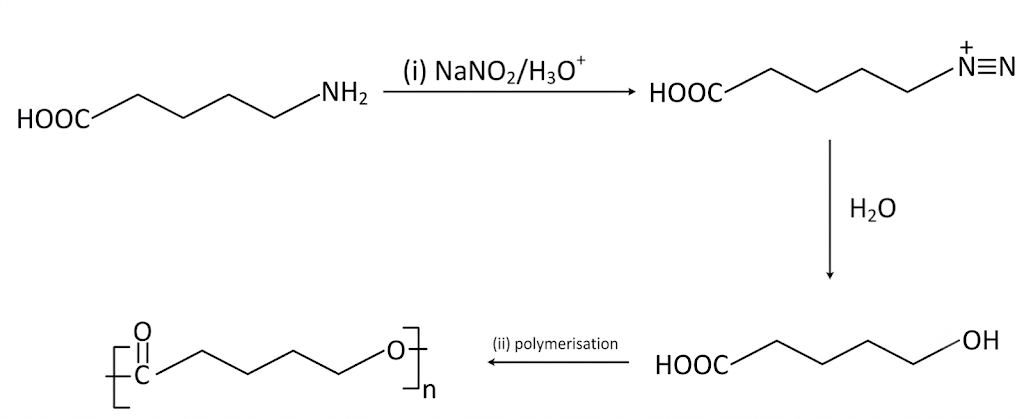
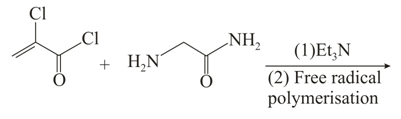
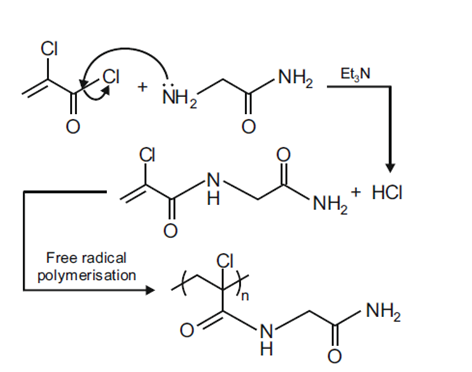
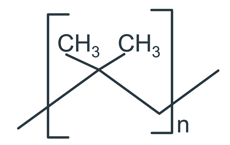
In the following reaction sequence, major products X and Y are acyclic monomers.

image

500 mol of X completely reacts with 500 mol of Y to give 1 mol of a single biodegradable acyclic copolymer Z as the only product. The amount of Z formed in grams is ___.

Given: Atomic mass (in amu): H : 1, C : 12, N : 14, O : 16, Br : 80

Question 4

Given below are two statements:

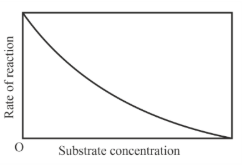
Statement I: Sucrose is dextrorotatory. However, sucrose upon hydrolysis gives a solution having mixture of products. This solution shows laevorotation.

Statement II : Hydrolysis of sucrose gives glucose and fructose. Since the laevorotation of glucose is more than the dextrorotation of fructose, the resulting solution becomes laevorotato1y.

In the light of the above statements, choose the correct answer from the options given below

Question 5

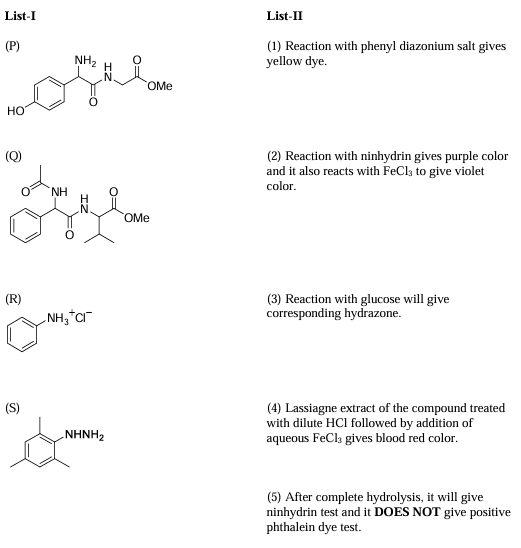
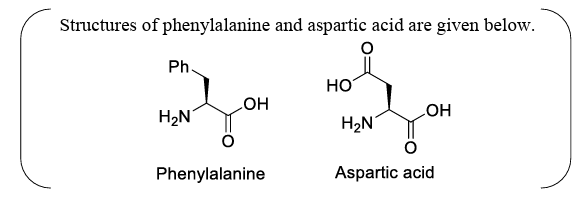
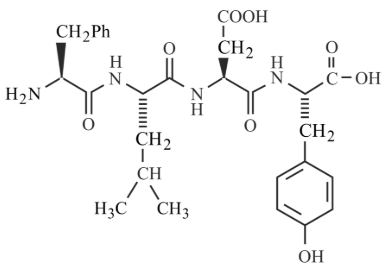
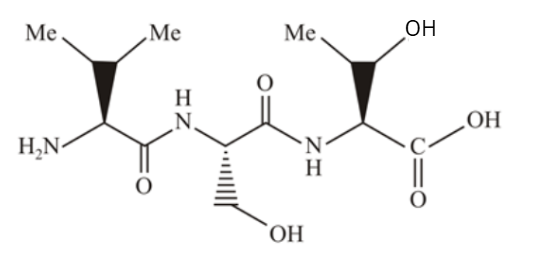
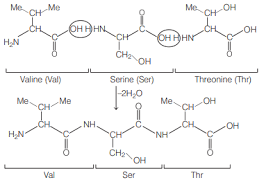
In the given pentapeptide, find out an essential amino acid (Y) and the sequence present in the pentapeptide:

51


Choose the correct answer from the options given below:

Question 6

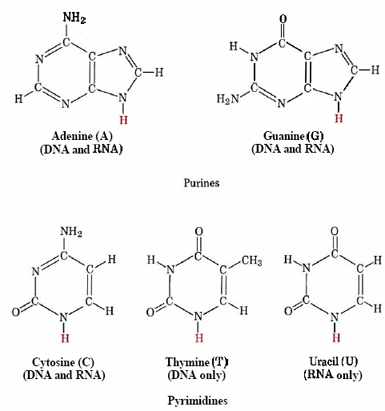
Both human DNA and RNA are chiral molecules. The chirality in DNA and RNA arises due to the presence of

Question 7

Identify the correct statements.
A. Arginine and Tryptophan are essential amino acids.
B. Histidine does not contain heterocyclic ring in its structure.
C. Proline is a six membered cyclic ring amino acid.
D. Glycine does not have chiral centre.
E. Cysteine has characteristic feature of side chain as $$MeS-CH_{2}-CH_{2}-.$$
CHoose the correct answer from the options given below :

Question 8

Structures of four disaccharides are given below. Among the given disaccharides, the non-reducing sugar is :

Question 9

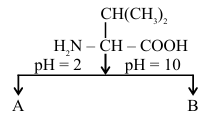
The number of possible tripeptides formed involving alanine (ala), glycine (gly) and valine (val), where no amino acid has been used more than once is:

Question 10

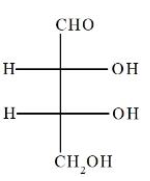
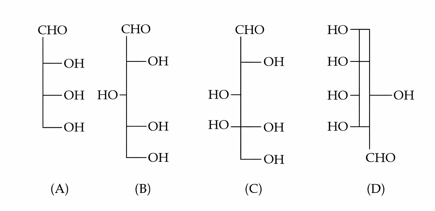
A D-aldotetrose on oxidation with concentrated HNO$$_3$$ resulted in optically inactive dicarboxylic acid. The structure of the D-aldotetrose is:

Question 11

Given below are two statements:
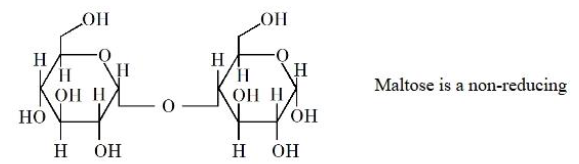
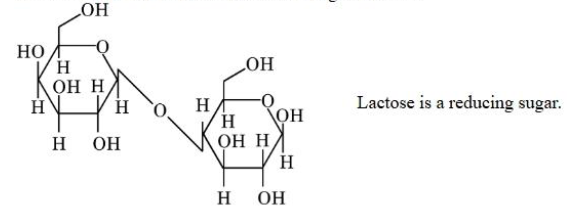
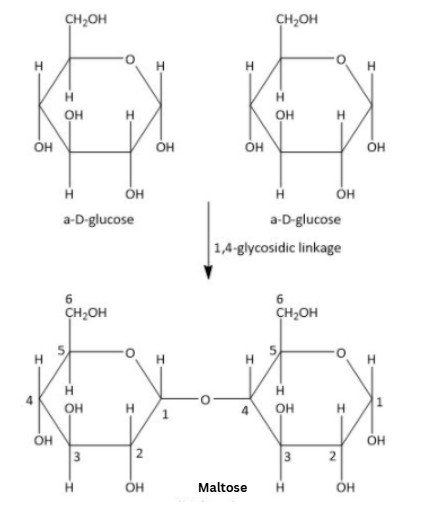
Statement I: The structure of Maltose is given below. Maltose is a non-reducing sugar.

image


Statement II: The structure of Lactose is given below. Lactose is a reducing sugar.

image

in the light of the above statements, Choose the correct answer from the options given below :

Question 12

Identify the incorrect  statements about  tertiary structure of proteins?

Question 13

Given below are two statements : 
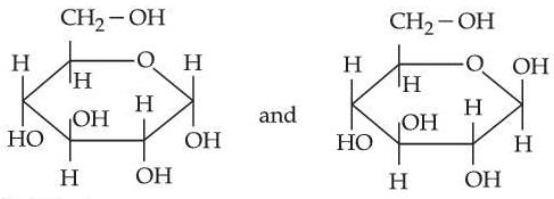
Statement I:

image

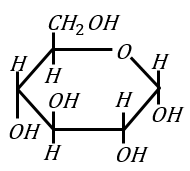
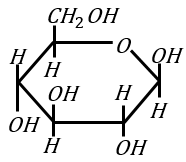
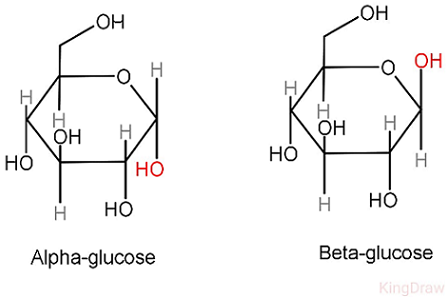
 are two anomers of D-(+)-glucose.
Statement II: the Open chain forms of D-glucose and D-fructose contain three similar chiral carbons at C₃, C₄, and C₅. 
In the light of the above statements, choose the correct answer from the options given below:

Question 14

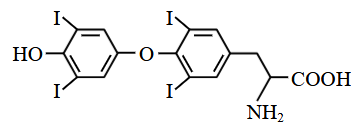
Identify the correct pair having amino acid (A) and the hormone (B) that is iodinated derivative of the amino acid (A).
(T and Y represent one letter code for amino acids)

Amino acid (A)                Hormone (B)

T                                        Insulin

T                                        Thyroxine

Y                                        Thyroxine

Y                                        Insulin

Question 15

Identify the correct statements.

A. Glucose exists in two anomeric forms.

B. Anomers of glucose differ in configuration at C-1 in cyclic hemiacetal structure.

C. Melting point of $$\alpha$$-anomer of glucose is greater than $$\beta$$-anomer.

D. Specific rotation of $$\alpha$$-anomer is +19° while for $$\beta$$-anomer is +112°.

E. $$\alpha$$ and $$\beta$$-anomers of glucose are prepared by crystallization of saturated glucose solution at 303 K and 371 K respectively.

Choose the correct answer from the options given below:

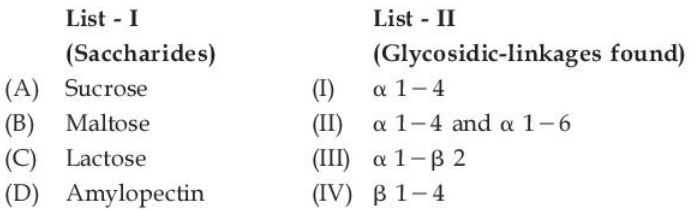
Question 16

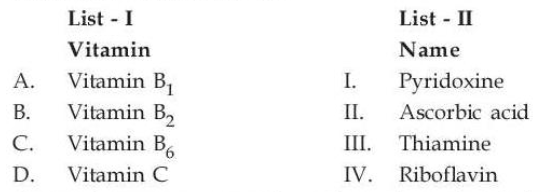
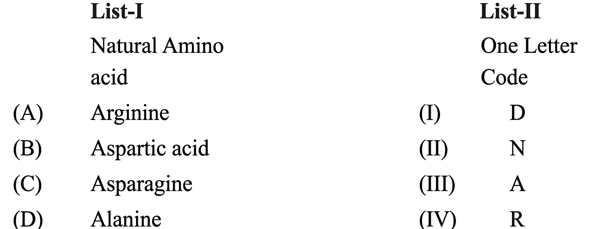
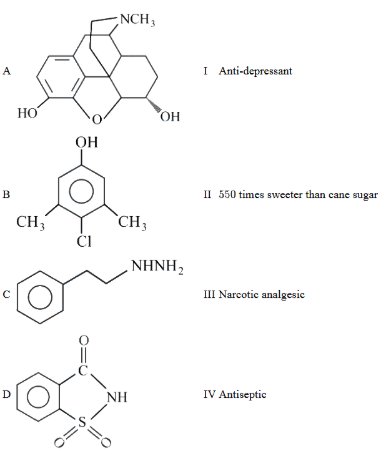
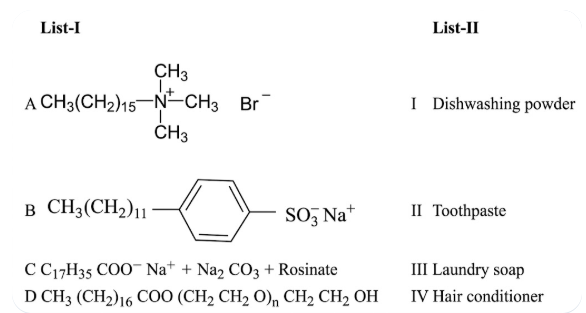
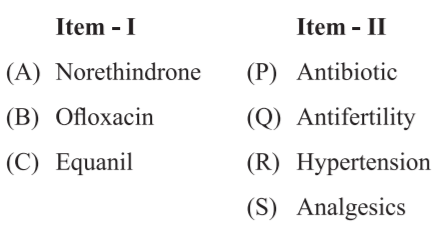
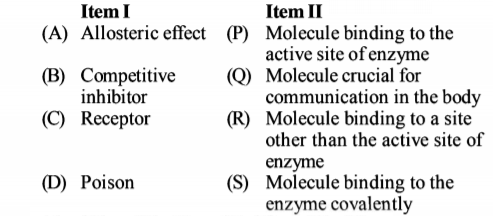
Match List - I with List - II. 

image

Choose the correct answer from the options given below :

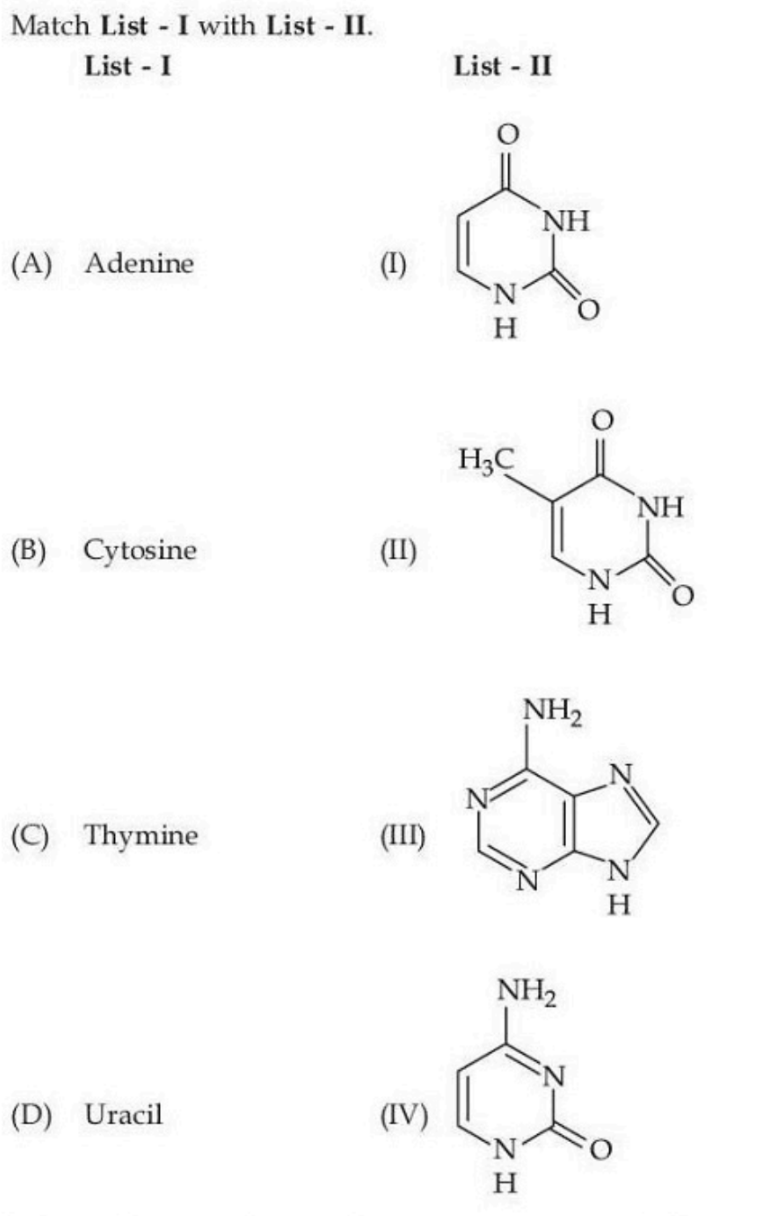
Question 17

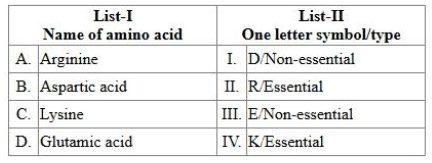
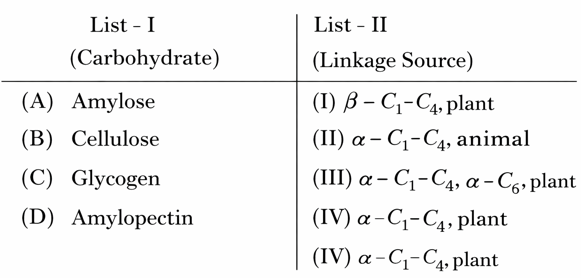
Match List-I with List-II.

image

Choose the correct answer from the options given below :

Question 18

Match the LIST-I with LIST-II

List-I
Deficiency Disease
List-II
Vitamin
A.ScurvyI.Pyridoxine
B.ConvulsionsII.Vitamin A
C.CheilosisIII.Ascorbic Acid
D.XerophthalmiaIV.Riboflavin


Choose the correct answer from the options given below:

Question 19

The incorrect statement from the following with respect to carbohydrates is :

Question 20

Match the LIST-I with LIST-II

List-I
Amino acid
List-II
Positive reaction/Test for functional group present in side chain of amino acid
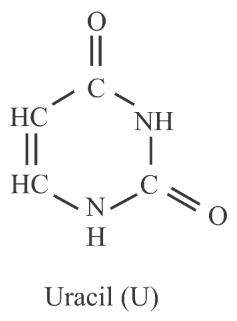
A.GlutamineI.Hinsberg's test
B.LysineII.Neutral FeCl$$_3$$ test
C.TyrosineIII.Ceric ammonium nitrate test
D.SerineIV.Hoffman bromamide degradation


Choose the correct answer from the options given below:

Question 21

The correct statements are :
A. Activation energy for enzyme catalysed hydrolysis of sucrose is lower than that of acid catalysed hydrolysis.
B. During denaturation, secondary and tertiary structures of a protein are destroyed but primary structure remains intact.
C. Nucleotides are joined together by glycosidic linkage between $$C_{1}$$ and $$C_{4}$$ carbons of the pentose sugar.
D. Quaternary structure of proteins represents overall folding of the polypeptide chain.
Choose the correct answer from the options given below :

Question 22

Which of the following amino acid will give violet coloured complex with neutral ferric chloride solution?

Biomolecules is a high-scoring and predominantly factual chapter in JEE Organic Chemistry that covers the chemistry of carbohydrates, proteins, nucleic acids, vitamins, and enzymes. It is one of the most NCERT-based chapters in the entire JEE Chemistry syllabus and rewards systematic revision with reliable marks. The chapter covers the classification and structure of carbohydrates (monosaccharides, oligosaccharides, polysaccharides), the open-chain and cyclic structures of glucose, the reducing and non-reducing character of sugars, amino acid classification and peptide bonds, the structure of proteins and their denaturation, the structure and function of nucleic acids (DNA and RNA), the double helix model, vitamins and their deficiency diseases, and enzymes and hormones. JEE Main tests carbohydrate classification, amino acid structure, glucose reactions, nucleic acid bases, and vitamin deficiency diseases. Practise topic-wise questions on JEE Chemistry Questions to organise the factual content and identify the most frequently tested areas.

Biomolecules Topic Overview

ParameterDetails
Topic NameBiomolecules
SubjectChemistry – Organic
JEE Main Weightage~3–5% (1–2 questions on average)
JEE Advanced Weightage~3% (concept-based)
Difficulty LevelEasy to Moderate
Important ConceptsCarbohydrate Classification, Glucose Structure, Amino Acids, Nucleic Acids, Vitamins
Recommended Practice LevelModerate – attempt 50+ mixed problems

Why Practice JEE Biomolecules Questions?

  • High scoring: NCERT-based factual content gives high accuracy with systematic revision.
  • Reliable weightage: Contributes 1–2 questions in JEE Main consistently.
  • Carbohydrate focus: Classification and glucose reactions are directly tested.
  • Amino acids and proteins: Primary to quaternary structure and denaturation appear regularly.
  • Nucleic acid bases: The Watson-Crick base pairs and DNA/RNA differences are testable.
  • Vitamin deficiency diseases: Frequently tested in a single-fact question format.
  • Quick to revise: A defined factual set covers the chapter completely.

Important Concepts and Subtopics

ConceptImportanceDifficulty LevelFrequently Asked In
Classification of CarbohydratesVery HighEasy–ModerateJEE Main
Open-Chain and Cyclic Structure of GlucoseVery HighModerateJEE Main and Advanced
Reducing and Non-Reducing SugarsHighEasy–ModerateJEE Main
Amino Acid Classification and StructureVery HighModerateJEE Main and Advanced
Peptide Bond and Protein StructureHighModerateJEE Main
Denaturation of ProteinsHighEasyJEE Main
Structure of DNA and RNA (Bases, Helix)Very HighModerateJEE Main and Advanced
Vitamins and Deficiency DiseasesHighEasyJEE Main

Preparation Strategy for JEE Biomolecules

Concept learning: Study each biomolecule class in order - carbohydrates first (classification, glucose structure, reactions), then amino acids and proteins (structure levels, denaturation), then nucleic acids (bases, double helix, DNA vs RNA differences), and finally vitamins and enzymes. Connect the factual content to the functional properties.

Formula revision: Keep a structured table of carbohydrate classification, the key glucose reactions (Tollens, Fehling, acetic anhydride, HCN), the essential and non-essential amino acid distinction, the four levels of protein structure, the complementary base pairs, and the vitamins with their deficiency diseases together for quick review. Well-organised JEE Study Material helps you compile this factual content group by group for efficient weekly revision.
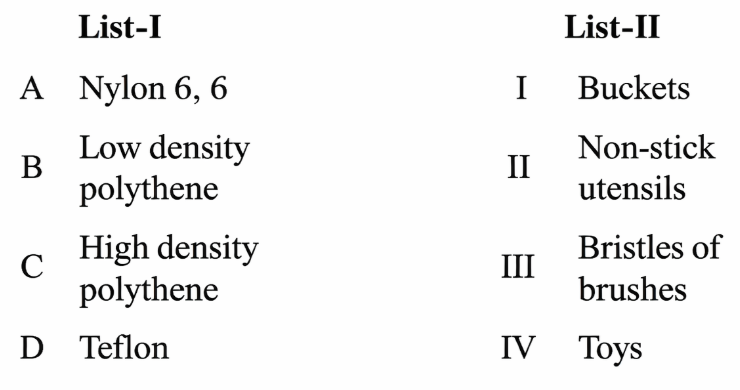
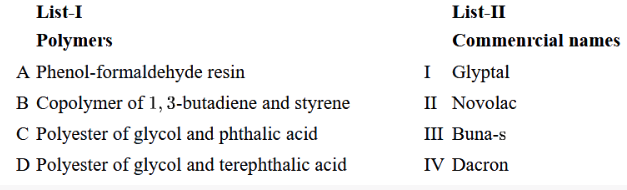
Problem-solving techniques: For carbohydrate questions, identify the class (aldose or ketose, number of carbons) and the reducing or non-reducing character. For nucleic acid questions, recall the base-pairing rules and the differences between DNA and RNA. For vitamin questions, associate each vitamin with its deficiency disease directly.

Common mistakes: Confusing the open-chain and cyclic structures of glucose, mixing up reducing and non-reducing sugars, errors in base-pairing, and vitamin-deficiency disease confusion.
Exam strategy: Treat these as accessible, factual marks. Use a quick recall check on carbohydrate classification, glucose reactions, base pairs, and vitamin diseases before marking.

JEE Main and Advanced Weightage Analysis

ExamAverage QuestionsExpected Marks
JEE Main1–24–8
JEE Advanced0–1 (concept-based)0–4

Biomolecules is a lighter-mechanism but high-scoring chapter in JEE Main. Most questions come directly from NCERT and are answered correctly with systematic factual revision.

Tips to Solve Biomolecules Questions Faster

  • Glucose is an aldohexose and a reducing sugar; fructose is a ketohexose and also reducing.
  • Sucrose is a non-reducing sugar (the anomeric OH of both monosaccharides is involved in the glycosidic bond).
  • In DNA: A pairs with T (2 hydrogen bonds), G pairs with C (3 hydrogen bonds).
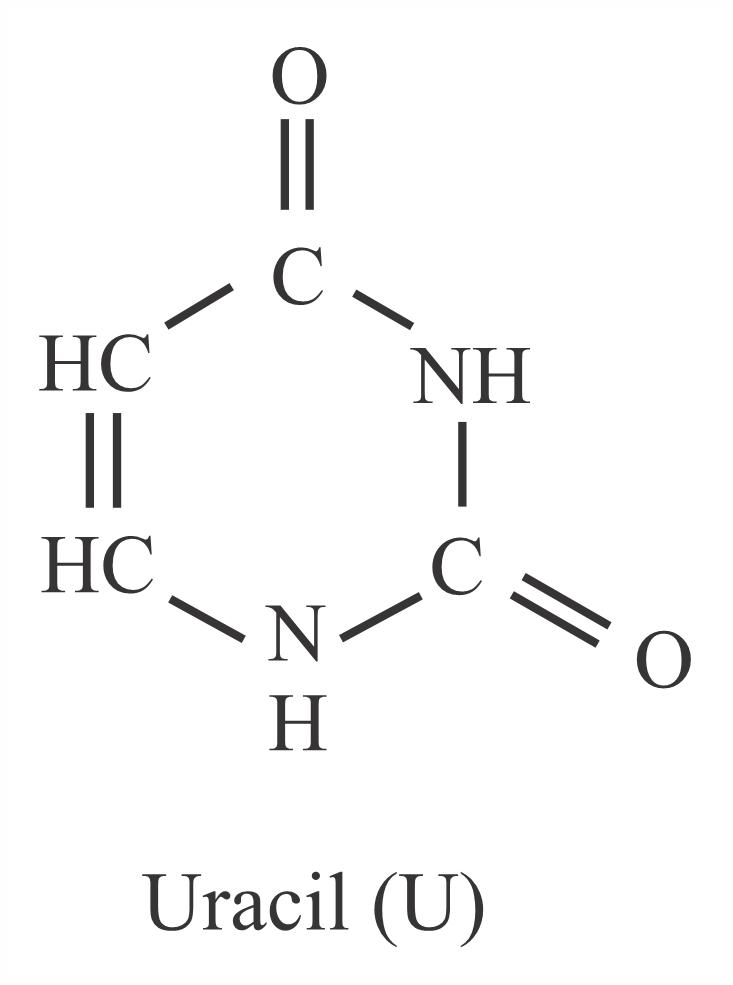
  • RNA is single-stranded and has uracil instead of thymine; DNA is double-stranded.
  • Vitamin C (ascorbic acid) deficiency causes scurvy; Vitamin D deficiency causes rickets.
  • Primary protein structure is the amino acid sequence; secondary is the alpha-helix or beta-sheet.

Reinforce these with a timed JEE Mock Test to build the factual recall speed and classification accuracy this chapter rewards.

Frequently Asked Questions